
Dry Eye
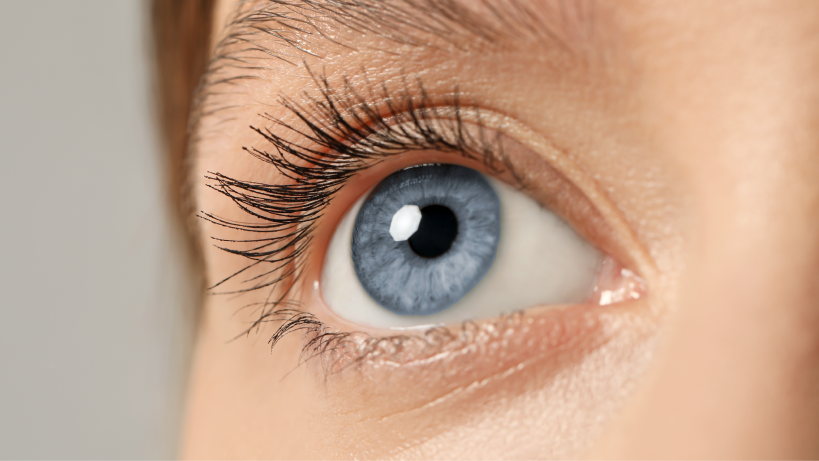
Dry Eye Relief in Westminster, Colorado
Burning, irritation, gritty eyes, excessive watering, redness, or fluctuating vision can all be signs of dry eye. At Dimensions, we evaluate what may be contributing to your symptoms and offer personalized treatment options designed around your individual needs.
Dry Eye Does Not Always Feel Dry
Dry eye can show up differently from person to person. Some people experience obvious dryness, while others notice watering, redness, tired eyes, irritation, or vision that seems to change throughout the day.
Burning Or Stinging
Gritty Or Sandy Sensation
Red Or Irritated Eyes
Excessive Watering
Fluctuating Or Blurry Vision
Eye Fatigue During Screen Use
Contact Lens Discomfort
Sensitivity To Light
Because these symptoms can have several causes, an evaluation can help determine what may be contributing to your discomfort and which treatment approach may be appropriate.
Why Dry Eye Happens
Healthy tears do more than add moisture to the surface of the eye. They rely on a balanced tear film to keep the eyes comfortable and protect tears from evaporating too quickly.
One common contributor to dry eye is meibomian gland dysfunction, or MGD. These small glands along the eyelids produce oils that help stabilize the tear film. When the glands become blocked or do not function properly, tears may evaporate more quickly and the eyes can become irritated.
Dry eye symptoms may also be influenced by factors such as Colorado's dry climate, screen use, reduced blinking, contact lens wear, environmental exposure, eyelid inflammation, and individual health factors.
Treatment Based on What Your Eyes Need
There is no single treatment that is appropriate for every person with dry eye. Your provider will review your symptoms and ocular surface health before recommending an individualized plan.
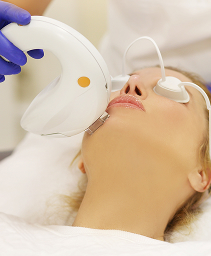
IPL for Dry Eye
IPL may be recommended for selected patients with dry eye associated with meibomian gland dysfunction. Treatment is performed around the eye area as part of a personalized dry eye care plan.
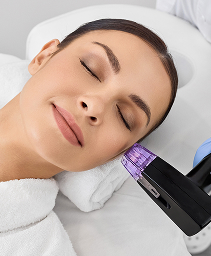
Radiofrequency for Dry Eye
Dimensions offers radiofrequency treatment as another option that may be incorporated into an individualized dry eye treatment plan for appropriate patients.
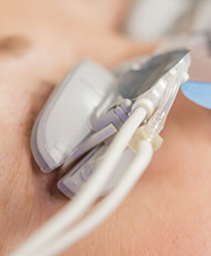
LipiFlow
LipiFlow is an in office treatment designed for patients with meibomian gland dysfunction and evaporative dry eye. It uses controlled warmth and gentle pressure to help address blocked meibomian glands.
Some patients may benefit from a combination of treatment approaches. The appropriate plan depends on symptoms, gland function, ocular surface findings, treatment history, and individual needs.
What to Expect When You Visit Dimensions
Your visit begins with understanding what you are experiencing. Your provider will review your symptoms, relevant history, and the health of your eyes and eyelids.
From there, we can discuss whether advanced dry eye treatments such as IPL, radiofrequency, LipiFlow, or a combination approach may be appropriate.
Treatment recommendations are personalized rather than based on a one size fits all protocol.
When It May Be Time to Look Beyond Eye Drops
Consider requesting a dry eye appointment if you continue to experience irritation despite routine at home care, if symptoms regularly interfere with work or screen use, if contact lenses have become uncomfortable, or if your eyes frequently feel red, watery, gritty, or tired.
Over the counter drops can provide temporary comfort for many people, but persistent symptoms may warrant a closer look at what is contributing to the problem.
Why Choose Dimensions for Dry Eye Care?
Dry eye treatment at Dimensions is guided by an optometrist, allowing us to approach symptoms from an eye health perspective rather than simply recommending a treatment based on the symptom alone.
Our goal is to understand what may be contributing to your discomfort and create an individualized treatment plan using the options that make the most sense for your eyes.
Optometrist Guided Care
Personalized Treatment Planning
Multiple Advanced Dry Eye Treatment Options
Treatment Based On Individual Findings
Convenient Westminster Location
Frequently Asked Questions
Watery eyes can sometimes occur when irritation triggers reflex tearing. Those tears may not have the same balance needed to remain on the eye's surface comfortably, which is why watering and dryness can sometimes occur together.
Eye drops can provide temporary lubrication and comfort, but they may not address every factor contributing to dry eye. For patients with issues such as meibomian gland dysfunction, additional treatment may be appropriate after evaluation.
The treatments work differently and are not appropriate for every patient. Your provider will review your symptoms and ocular surface health before recommending a treatment plan.
Yes, some patients may be treated using more than one approach when clinically appropriate. Your provider will determine whether a combination plan makes sense for your individual needs.
Tired of Dealing With Dry Eye Symptoms?
Persistent burning, watering, irritation, redness, or fluctuating vision may be worth evaluating rather than continuing to manage symptoms on your own.
Request an appointment with Dimensions to better understand what may be contributing to your dry eye and what treatment options may be appropriate.
Quick Links

All Eye
Care Services

Keep
In Touch
MAP

Contact Info
Hours
By Appointment Only
© 2026 Dimensions Eye & Aesthetics. All Rights Reserved. Accessibility Statement - Privacy Policy - Sitemap
Powered by: 