
When Eye Drops Are Not Enough for Dry Eye
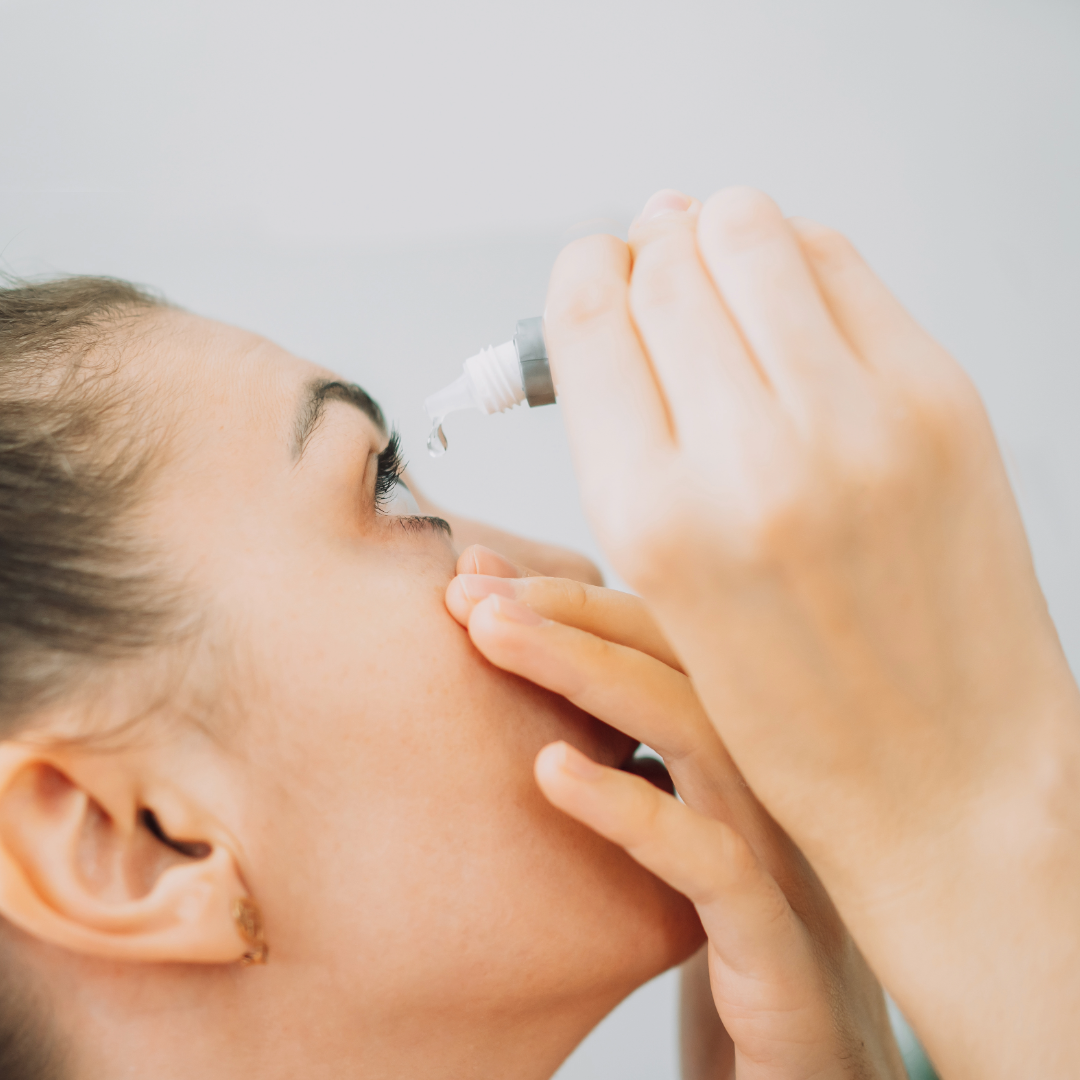
Eye Drops Can Help, but They Are Not Always the Whole Answer
For many people with occasional dry eye symptoms, artificial tears are a reasonable place to start. The National Eye Institute identifies over the counter artificial tears as the most common treatment for mild dry eye. They can add moisture to the surface of the eye and temporarily improve comfort.
But dry eye is not simply a matter of your eyes needing more liquid.
Dry eye can occur because your eyes do not produce enough tears, because the tears evaporate too quickly, or because the tears are not functioning properly. That means two people experiencing similar burning or irritation may have different reasons for their symptoms and may ultimately need different approaches to care. citeturn246972view1
If drops provide temporary relief but the discomfort repeatedly returns, the next question should not always be, “Which drop should I try next?”
A more useful question may be, “Why are my tears not keeping my eyes comfortable?”
Tear Quality Matters Just as Much as Tear Quantity
A healthy tear film contains more than water. Oil produced by the meibomian glands along the eyelids helps slow tear evaporation and keeps the surface of the eye protected.
When these glands become blocked or do not function normally, tears may evaporate too quickly. This is associated with evaporative dry eye and meibomian gland dysfunction. Research from the National Eye Institute describes these glands as producing the lipid rich material that helps prevent tear evaporation.
Adding artificial tears may still improve comfort, but adding moisture does not necessarily correct a problem involving the eyelid glands themselves.
This is one reason a person can use eye drops several times throughout the day and still experience burning, stinging, redness, irritation, or blurry vision.
Treating dry eye effectively starts with understanding which part of the tear system is not working as well as it should.
Signs It May Be Time to Look Beyond Over the Counter Drops
Needing eye drops occasionally does not automatically mean you need advanced treatment. Mild symptoms may respond well to artificial tears and environmental changes.
An evaluation becomes more useful when symptoms are persistent, frequently return after using drops, or begin interfering with everyday activities.
Dry eye symptoms can include burning, stinging, a scratchy sensation, redness, sensitivity to light, and blurry vision. Contact lens wear and prolonged screen use can also contribute to dry eye symptoms in some people.
Consider having your eyes evaluated if you find yourself repeatedly reaching for drops without meaningful improvement, your vision becomes intermittently blurry, your eyes remain irritated throughout the day, or your symptoms are making work, reading, driving, or contact lens wear more uncomfortable.
Persistent symptoms deserve more than trial and error because treatment depends on what is actually causing the dry eye.
What an Eye Evaluation Can Reveal
An eye care provider can look beyond symptoms and evaluate how your tear film and eyelids are functioning.
Dry eye testing may include examining the eyes and eyelids, measuring how much tear fluid is produced, and evaluating how quickly the tear film breaks apart after blinking. These findings help determine whether the problem involves tear production, rapid evaporation, eyelid or gland function, or a combination of factors.
That distinction can change the treatment plan.
Depending on the findings, care may involve changes to your eye drop routine, environmental adjustments, prescription treatment, eyelid care, or other approaches designed to address the specific source of the problem. The National Eye Institute emphasizes that dry eye treatment should be based on what is causing the symptoms rather than using the same approach for everyone.
The goal is not simply to use more drops. It is to understand why your eyes are uncomfortable and choose care accordingly.
When Dry Eye Treatment Needs to Go Beyond Drops
Some patients with persistent dry eye may benefit from treatment focused on eyelid health, meibomian gland function, inflammation, or tear film stability.
At Dimensions Eye & Aesthetics, available dry eye treatment options include IPL, radiofrequency treatment, and LipiFlow. These treatments serve different purposes, and not every option is appropriate for every patient. The right approach depends on symptoms, examination findings, and the underlying cause of the dry eye.
If you have been relying on over the counter drops but still experience recurring burning, irritation, redness, watering, or fluctuating vision, it may be time to find out what is driving those symptoms.
For patients looking for dry eye care in Westminster, Dimensions Eye & Aesthetics offers advanced treatment options under the care of an optometrist.
Book an appointment with Dimensions Eye & Aesthetics to have your symptoms evaluated and learn whether treatment beyond eye drops may be appropriate for you.
Eye drops can be an important part of dry eye care. They simply may not be the entire solution when the underlying problem involves more than temporary surface dryness.
Quick Links

All Eye
Care Services

Keep
In Touch
MAP

Contact Info
Hours
By Appointment Only
© 2026 Dimensions Eye & Aesthetics. All Rights Reserved. Accessibility Statement - Privacy Policy - Sitemap
Powered by: 