
What to Expect During Your First Month on a GLP 1

What to Expect During Your First Month on a GLP 1
Starting a GLP 1 medication can feel exciting, but it can also bring questions. Will you feel different right away? How quickly will your appetite change? What side effects are normal? When should you expect to see progress?
Your first month is generally less about reaching your final result and more about learning how your body responds. Most treatment plans begin with a lower dose so your body can gradually adjust before the dosage is increased.
The exact experience will depend on the medication, your health history, your eating habits, and your individual response. Regular communication with your provider helps keep the process safe and personalized.
Your first month is generally less about reaching your final result and more about learning how your body responds. Most treatment plans begin with a lower dose so your body can gradually adjust before the dosage is increased.
The exact experience will depend on the medication, your health history, your eating habits, and your individual response. Regular communication with your provider helps keep the process safe and personalized.
What Is a GLP 1 Medication?
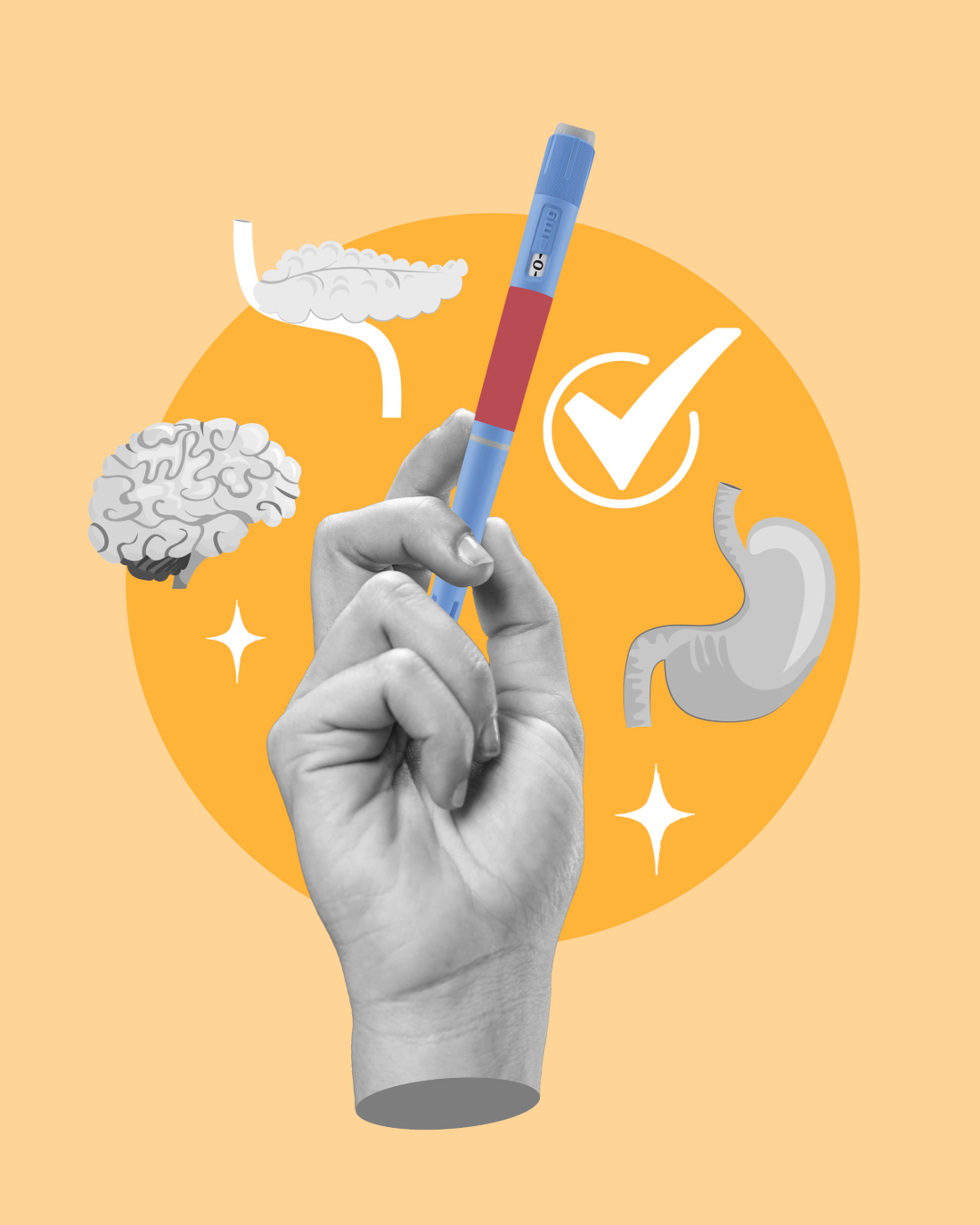
GLP 1 medications imitate a hormone involved in appetite, digestion, and blood sugar regulation. Depending on the specific medication, treatment may help you feel full sooner, remain satisfied longer, and experience less hunger between meals.
Some medications act on the GLP-1 pathway alone. Others, such as tirzepatide, act on a GLP 1 and an additional pathway. These medications are intended to be used alongside nutrition, physical activity, and ongoing medical care rather than as a replacement for healthy habits.
Some medications act on the GLP-1 pathway alone. Others, such as tirzepatide, act on a GLP 1 and an additional pathway. These medications are intended to be used alongside nutrition, physical activity, and ongoing medical care rather than as a replacement for healthy habits.

Week 1: Learning Your New Routine
During the first week, you will begin learning how to take your medication correctly and how your body responds after each dose.
Some patients notice changes in appetite within the first several days. Others may not feel a major difference immediately. You might become full after eating less than usual or notice that food remains in your stomach longer.
Digestive symptoms can also begin during this period. Common reactions may include nausea, constipation, diarrhea, abdominal discomfort, indigestion, or vomiting. Not everyone experiences these effects, and their severity can vary.
Your starting dose is not necessarily expected to produce your full treatment result. For example, the FDA prescribing information for Wegovy and Zepbound recommends a lower starting dose for the first 4 weeks before planned dose escalation. This gradual approach is intended to reduce the risk of digestive side effects.
Some patients notice changes in appetite within the first several days. Others may not feel a major difference immediately. You might become full after eating less than usual or notice that food remains in your stomach longer.
Digestive symptoms can also begin during this period. Common reactions may include nausea, constipation, diarrhea, abdominal discomfort, indigestion, or vomiting. Not everyone experiences these effects, and their severity can vary.
Your starting dose is not necessarily expected to produce your full treatment result. For example, the FDA prescribing information for Wegovy and Zepbound recommends a lower starting dose for the first 4 weeks before planned dose escalation. This gradual approach is intended to reduce the risk of digestive side effects.
Week 2: Adjusting Your Portions
By the second week, you may begin noticing that your previous portion sizes feel too large.
One of the most useful habits during this stage is learning to stop eating when you first feel comfortably satisfied. Continuing to eat beyond that point may increase nausea, pressure, bloating, or abdominal discomfort.
Try to slow down during meals and give your body time to register fullness. Large meals may feel different than they did before treatment, even when the foods themselves have not changed.
This is also a good time to notice whether certain meals consistently make you feel uncomfortable. Keep a simple record of what you ate, your portion size, and any symptoms. This information can help your provider identify patterns without relying on memory alone.
One of the most useful habits during this stage is learning to stop eating when you first feel comfortably satisfied. Continuing to eat beyond that point may increase nausea, pressure, bloating, or abdominal discomfort.
Try to slow down during meals and give your body time to register fullness. Large meals may feel different than they did before treatment, even when the foods themselves have not changed.
This is also a good time to notice whether certain meals consistently make you feel uncomfortable. Keep a simple record of what you ate, your portion size, and any symptoms. This information can help your provider identify patterns without relying on memory alone.
Week 3: Building Consistent Habits
As your appetite decreases, it can become easier to skip meals or eat very little. A lower appetite does not eliminate your need for nutrition.
Focus on meals that provide meaningful nutritional value in smaller portions. Your personal plan may include adequate protein, fruits, vegetables, whole grains, and other foods recommended by your provider. Hydration also deserves extra attention. Nausea, vomiting, or diarrhea can contribute to fluid loss. Dehydration may also increase the risk of kidney problems, particularly when digestive symptoms are persistent.
Rather than trying to make every habit perfect, establish a routine you can repeat:
Focus on meals that provide meaningful nutritional value in smaller portions. Your personal plan may include adequate protein, fruits, vegetables, whole grains, and other foods recommended by your provider. Hydration also deserves extra attention. Nausea, vomiting, or diarrhea can contribute to fluid loss. Dehydration may also increase the risk of kidney problems, particularly when digestive symptoms are persistent.
Rather than trying to make every habit perfect, establish a routine you can repeat:
- Drink fluids consistently throughout the day.
- Eat slowly and stop when comfortably satisfied.
- Prioritize nutrient-dense foods.
- Follow your prescribed dosing schedule.
- Record symptoms, appetite changes, and questions.
- Continue physical activity that is appropriate for your health and ability.
Week 4: Reviewing Your Response
At the end of the first month, your provider may review your appetite, digestive symptoms, medication intolerance, weight changes, and overall progress.
Depending on the medication and your response, your provider may recommend increasing your dose, remaining at the current dose longer, or changing the treatment plan. Do not increase the amount or frequency on your own.
The FDA has received reports of serious side effects connected with dosing errors and dosing increases that occurred more quickly than recommended, particularly with compounded semaglutide and tirzepatide products. Make sure you understand the exact dose, concentration, and administration instructions provided by your prescriber and pharmacy.
Depending on the medication and your response, your provider may recommend increasing your dose, remaining at the current dose longer, or changing the treatment plan. Do not increase the amount or frequency on your own.
The FDA has received reports of serious side effects connected with dosing errors and dosing increases that occurred more quickly than recommended, particularly with compounded semaglutide and tirzepatide products. Make sure you understand the exact dose, concentration, and administration instructions provided by your prescriber and pharmacy.
How Much Weight Should You Expect to Lose?
There is no single amount of weight that every patient should lose during the first month. Some people notice an early change on the scale, while others experience appetite changes before measurable weight loss. Your starting dose, medication, health conditions, activity, nutrition, and fluid balance can all affect the result.
The first month should ot be judged only by the scale. Other signs of progress may include:
The first month should ot be judged only by the scale. Other signs of progress may include:
- Feeling satisfied with smaller portions.
- Experiencing fewer food cravings.
- Improving meal consistency.
- Becoming more aware of hunger and fullness.
- Establishing a sustainable activity routine.
- Following the medication plan consistently.
Your provider can help determine whether your progress is appropriate for your individual treatment plan.
Common Side Effects During the First Month
The most commonly reported side effects of frequently used GLP-1 and related medications involve the digestion system. These may include:
- Nausea
- Diarrhea
- Constipation
- Vomiting
- Abdominal discomfort
- Indigestion or heartburn
- Reduced appetite
- Fatigue
When Should You Contact Your Provider?
Contact your provider when a symptom is severe, persistent, worsening, or interfering with your ability to eat and drink/
Seek medical guidance promptly for:
Seek medical guidance promptly for:
- Persistent or severe abdominal pain, especially if it travels toward the back.
- Repeated vomiting
- Inability to keep fluids down
- Signs of dehydration
- Severe or ongoing constipation
- Symptoms of an allergic reaction
- Symptoms of low blood sugar, particularly if you also use insulin or certain diabetes medications.
- New vision changes if you have diabetes or diabetic eye disease.
Medication labels also contain warnings involving pancreatitis, gallbladder disease, kidney injury related to dehydration, and other serious risks. The precautions differ among products, so review the medication guide provided with your prescription.

Before Starting Treatment
Tell your provider about your full medical history, current prescriptions, supplements, and pregnancy plans. Specific precautions differ by medication, but important topics may include thyroid cancer history, Multiple Endocrine Neoplasia syndrome type 2, severe digestive disease, pancreatitis, gallbladder problems, kidney concerns, diabetes medications, and planned procedures requiring anesthesia.
Your First Month Is the Beginning
The first month on a GLP-1 is an adjustment period, not a race.
Your body is learning how to respond to the medication while you are building new eating, hydration, activity, and follow-up habits. Progress may look different from one patient to another, and a slower start does not automatically mean the medication is not working.
Consistent provider guidance can help you manage side effects, avoid dosing mistakes, and make decisions based on your actual response rather than someone else's experience.
Your body is learning how to respond to the medication while you are building new eating, hydration, activity, and follow-up habits. Progress may look different from one patient to another, and a slower start does not automatically mean the medication is not working.
Consistent provider guidance can help you manage side effects, avoid dosing mistakes, and make decisions based on your actual response rather than someone else's experience.
Schedule a Wellness Office Visit
Interested in learning whether medical weight management support may fit your goals?
Schedule a Wellness Office Visit with Dimensions. This appointment provides time to discuss your goals, concerns, health history, and the most appropriate next step for your care.
This article is provided for general education and does not replace medical advice, diagnosis, or treatment from a qualified health professional.
Schedule a Wellness Office Visit with Dimensions. This appointment provides time to discuss your goals, concerns, health history, and the most appropriate next step for your care.
This article is provided for general education and does not replace medical advice, diagnosis, or treatment from a qualified health professional.
Quick Links

All Eye
Care Services

Keep
In Touch
MAP

Contact Info
Hours
By Appointment Only
© 2026 Dimensions Eye & Aesthetics. All Rights Reserved. Accessibility Statement - Privacy Policy - Sitemap
Powered by: 