
The Summer Skin Reset: How to Improve Sun Damage, Uneven Tone, and Rough Texture
Why Summer Can Change the Way Your Skin Looks and Feels
After months of sunshine, outdoor activities, heat, and environmental exposure, your skin may look different than it did at the beginning of summer.
Some of the most common concerns include darker spots, uneven pigmentation, redness, rough texture, dullness, and increased dryness.
Ultraviolet radiation can affect more than the surface appearance of the skin. Research shows that UV exposure contributes to oxidative stress, changes within collagen and other structural components of the skin, and disruption of normal skin barrier function. Higher levels of UV exposure can also affect the skin's ability to retain moisture. PubMed
At the same time, UV exposure can stimulate pigment production. This is why freckles, sun spots, and existing areas of discoloration may look more noticeable toward the end of summer.
The result is often a combination of concerns rather than one isolated problem. Your skin may feel rougher while also appearing less even, more pigmented, or less radiant.
Start With the Surface: Professional Skin Resurfacing
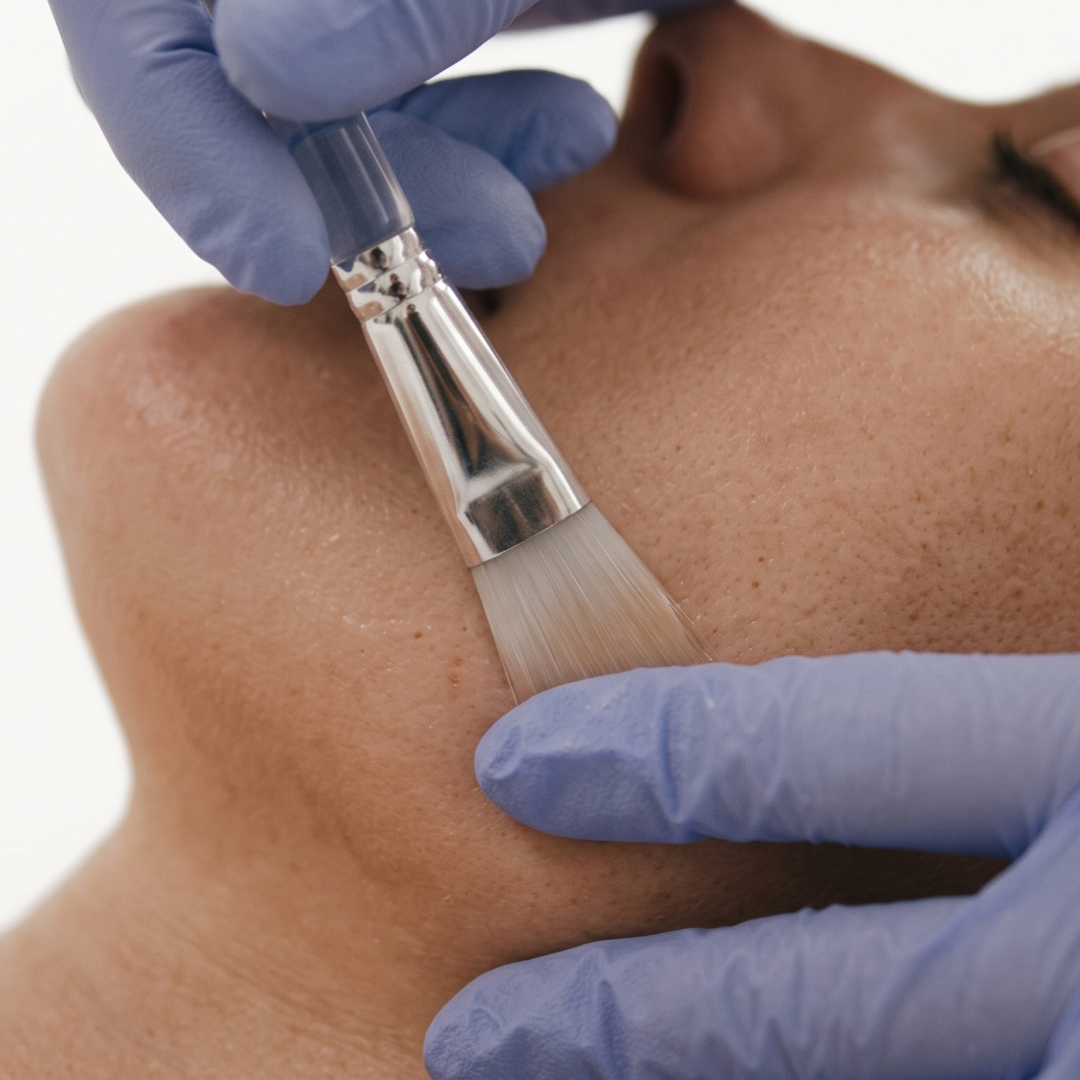
When roughness, dullness, and uneven surface texture are the biggest concerns, professional exfoliation can be a good place to begin.
At Dimensions, one option is the AHA & BHA Fruit Acid Peel. This type of treatment provides controlled exfoliation to help refresh the outer surface of the skin and support a smoother, brighter appearance.
Chemical peels are commonly used for concerns including uneven skin tone, dullness, rough-feeling skin, discoloration, and visible signs of sun damage. The appropriate strength and treatment plan depend on your skin type, current skin condition, and goals. American Academy of Dermatology
A professional peel may be especially useful when your primary concerns are:
- Dull or tired-looking skin
- Rough surface texture
- Uneven-looking tone
- Visible post-summer buildup
- Mild areas of discoloration
More is not always better when it comes to exfoliation. Over-exfoliating already irritated or sun-stressed skin can increase redness and sensitivity, which is another reason professional assessment matters. American Academy of Dermatology
Target Visible Sun Damage With Photofacial IPL
When the concern is deeper than surface dullness, another treatment may make more sense.
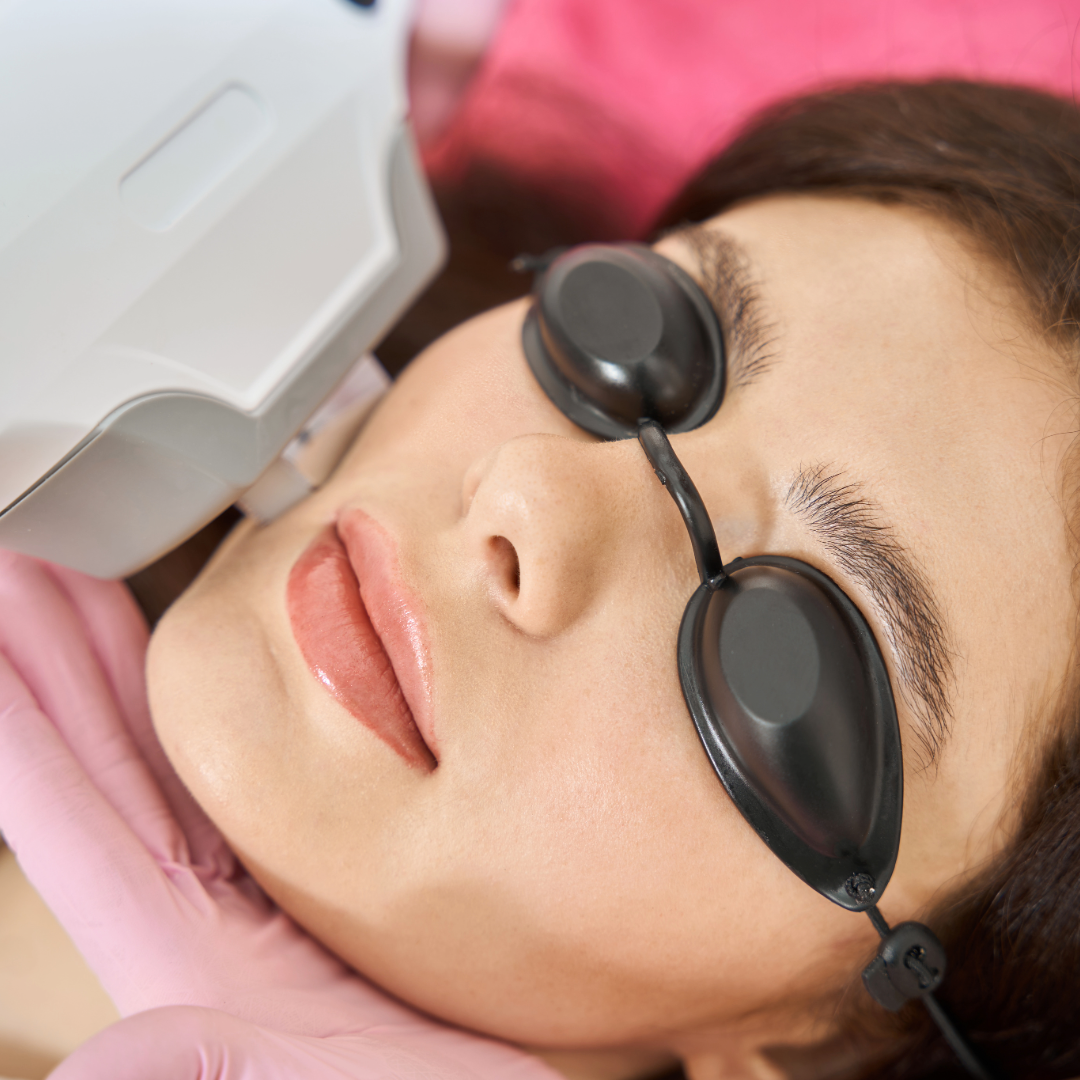
Photofacial IPL uses controlled pulses of light to target selected pigment and vascular concerns in the skin. For appropriate candidates, IPL may improve the appearance of sun-related pigmentation, redness, visible vessels, and uneven tone.
Research evaluating IPL for photoaged skin has found improvement in concerns such as hyperpigmentation and other visible signs of sun exposure. Treatment plans commonly involve multiple sessions rather than a single treatment. PubMed
IPL may be considered when you are noticing:
- Sun spots that became more noticeable over the summer
- Blotchy or uneven-looking pigmentation
- Persistent facial redness
- Visible small blood vessels
- A combination of redness and pigment concerns
IPL is not appropriate for every skin type or every form of pigmentation. Certain pigment conditions, recent tanning, medications, and other factors can affect treatment recommendations.
That is why the goal should not be to simply book the strongest treatment available. The goal is to identify what is creating the discoloration first and then choose the treatment that fits it.
Build a Skin Care Routine That Protects Your Results
Professional treatments can address existing concerns, but your daily routine determines how well you protect your skin moving forward.
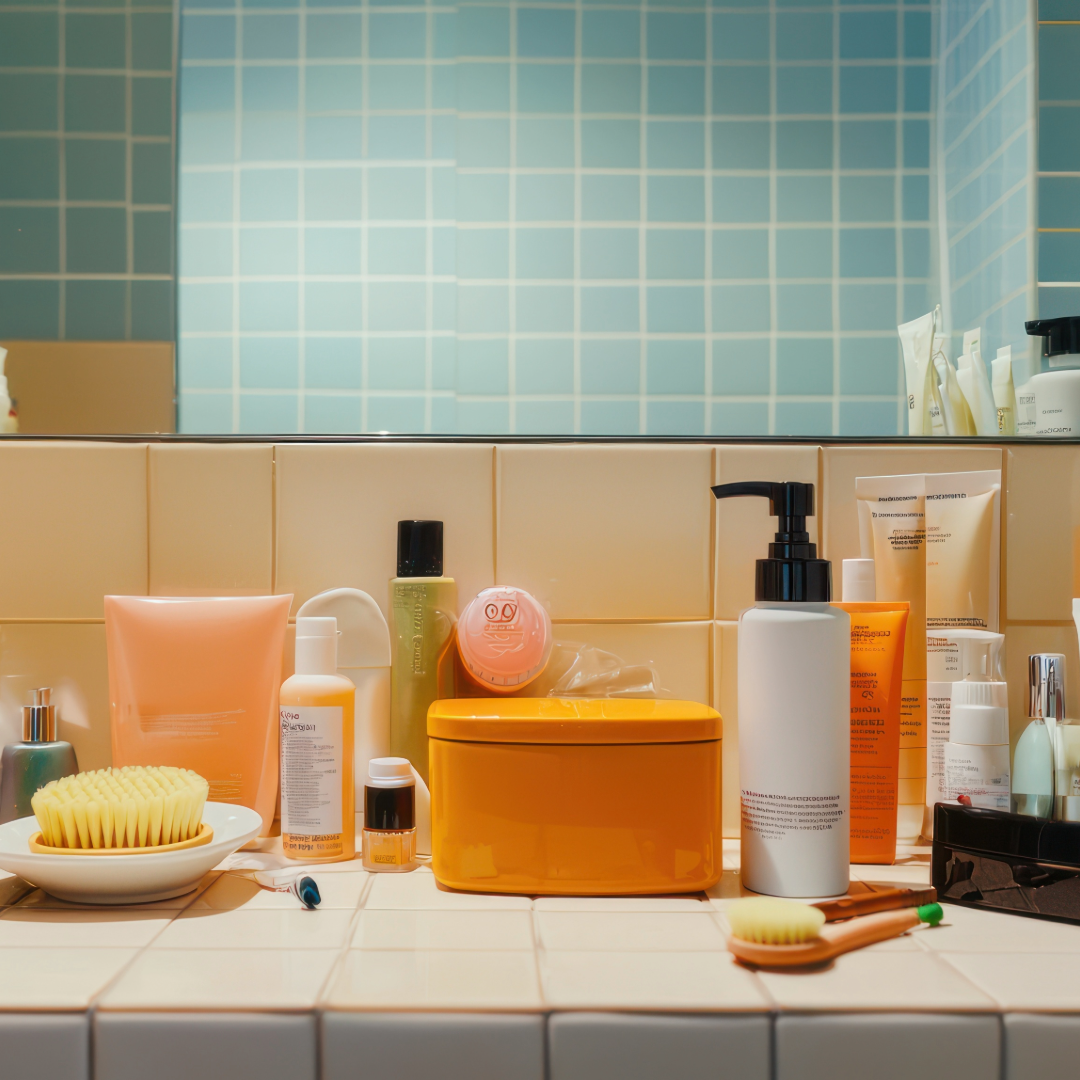
A complicated routine is not always necessary. For many patients, the foundation begins with gentle cleansing, hydration, targeted products selected for their concerns, and consistent sun protection.
The American Academy of Dermatology recommends broad spectrum sunscreen with an SPF of at least 30. Consistent sun protection can help prevent additional premature skin aging and may be particularly important when trying to prevent dark spots from becoming more noticeable. American Academy of Dermatology
Professional skin care products can then be selected according to your individual concerns. Someone primarily dealing with dryness may need a different routine than someone focused on pigmentation, congestion, or visible signs of aging.
This is where a personalized approach becomes valuable. Rather than adding more products, focus on choosing the right products and using them consistently.
Your Fall Skin Reset Should Match What Your Skin Actually Needs
There is no single treatment that addresses every sign of summer exposure.
For someone dealing primarily with surface dullness and texture, professional exfoliation such as a chemical peel may be the logical first step.
For more noticeable sun spots, redness, or uneven pigmentation, Photofacial IPL may be considered after your skin and treatment history are reviewed.
For others, the first priority may simply be restoring hydration, supporting the skin barrier, and establishing the right home skin care routine before moving into more advanced treatments.
A customized plan can also combine these approaches over time instead of trying to address everything during one appointment.
Fall can be an especially practical time to reevaluate your skin after months of increased sun exposure and build a plan around the concerns that are now most noticeable.
Ready for Your Summer Skin Reset?
If summer left you with sun spots, uneven tone, dullness, or rough texture, the first step is figuring out what your skin actually needs.
Book an appointment at Dimensions for a custom skin assessment and start building your personalized skin recovery plan.
Quick Links
All Eye
Care Services
Keep
In Touch
MAP

Contact Info
Hours
By Appointment Only
© 2026 Dimensions Eye & Aesthetics. All Rights Reserved. Accessibility Statement - Privacy Policy - Sitemap
Powered by: 