
Postpartum Skin Care for Melasma, Dark Spots, and Uneven Tone
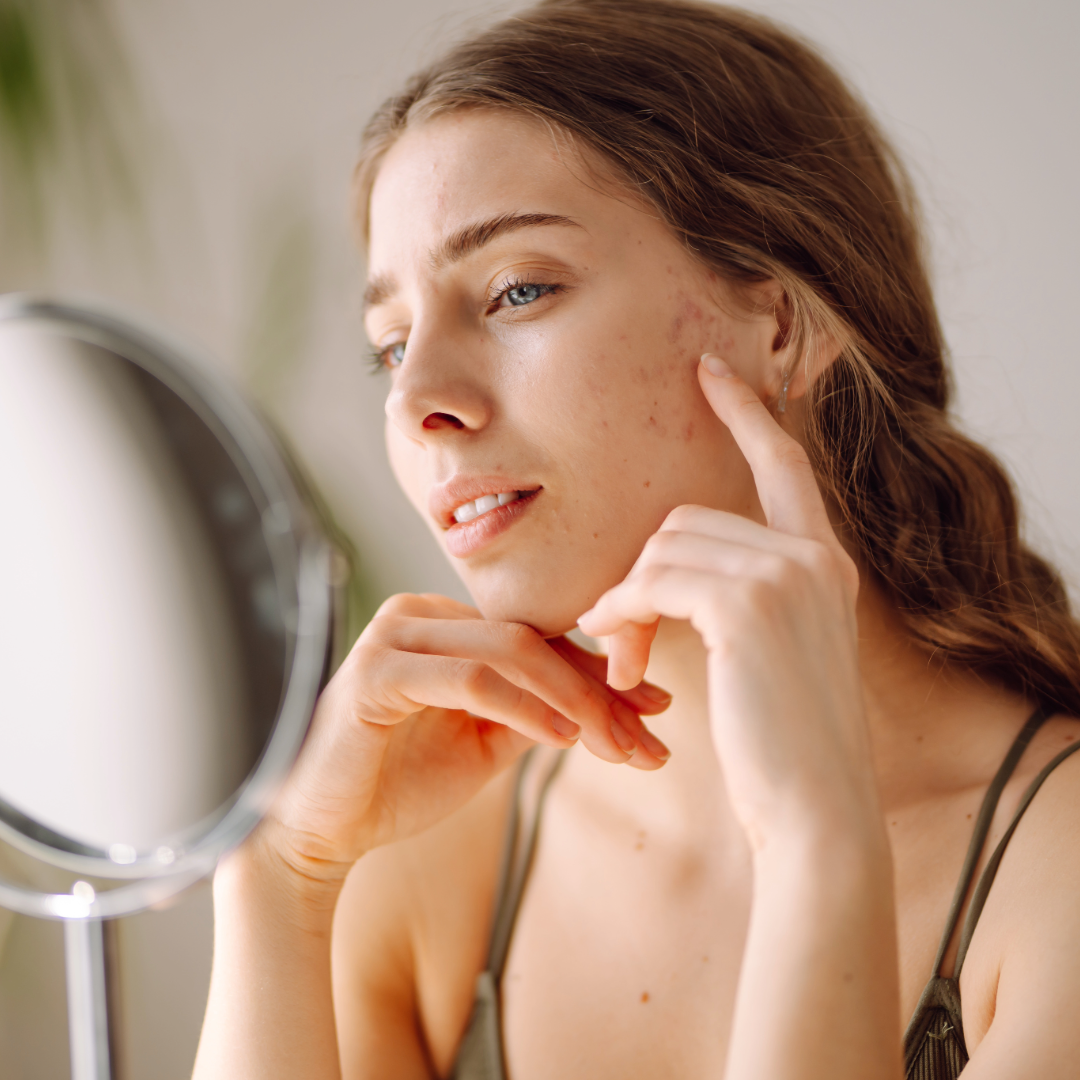
Postpartum Hormonal Reset: Addressing Melasma, Pigmentation, and Dull Skin
Pregnancy changes far more than your routine. It can change your skin, too.
Months after delivery, you may notice that your complexion still does not look quite like it did before pregnancy. Brown or gray-brown patches may remain across the cheeks, forehead, upper lip, or chin. Your skin may appear uneven or less radiant, even if you have returned to your normal skin care routine.
These changes are common, but that does not mean you have to ignore them.
At Dimensions MedSpa, a skin consultation can help determine what is causing the changes you see and whether professional skin care, an IPL Photofacial, or another approach is appropriate for your skin.
One important clarification: a cosmetic treatment does not literally reset your hormones. The goal of a postpartum skin reset is to address the visible skin changes that may have developed during pregnancy and remained afterward.
Why Does Skin Change During and After Pregnancy?
Pregnancy brings significant hormonal and physiological changes. Increased hormone levels during pregnancy are believed to contribute to increased activity in melanocytes, the cells responsible for producing skin pigment. (American Academy of Dermatology)
For some women, the result is melasma, a condition that creates darker patches or spots, most commonly on the face. Pregnancy is such a well-recognized trigger that melasma is sometimes referred to as the mask of pregnancy. (American Academy of Dermatology)
After delivery, some pregnancy-related pigmentation gradually fades as the body transitions through the postpartum period. For others, discoloration can persist.
Sunlight and visible light can also make melasma more noticeable. That is why treating pigmentation is rarely about performing one procedure and considering the problem solved. Consistent sun protection and an appropriate home skin care routine are important parts of managing pigment over time. (American Academy of Dermatology)
Postpartum skin can also simply look different. Changes in routine, sleep, sun exposure, skin care habits, and the physiological transition after pregnancy can all influence how your complexion looks and feels.
The first step is determining what you are actually seeing.
Is a Postpartum Skin Reset Right for You?
If you are postpartum and continue to notice uneven pigmentation, brown spots, melasma, uneven tone, or persistent dullness, a skin consultation can help determine what you are seeing and which options may be appropriate.
Three months postpartum can be a useful point to begin the conversation, but it is not a universal treatment deadline. Every person's recovery, skin, medical history, and breastfeeding situation are different.
It is also important to distinguish melasma from other forms of pigmentation. Brown spots that look similar in the mirror may not respond to treatment in the same way.
That distinction becomes especially important when considering IPL. (Indian Journal of Dermatology)
Where IPL Photofacial and Medical Grade Skin Care May Fit
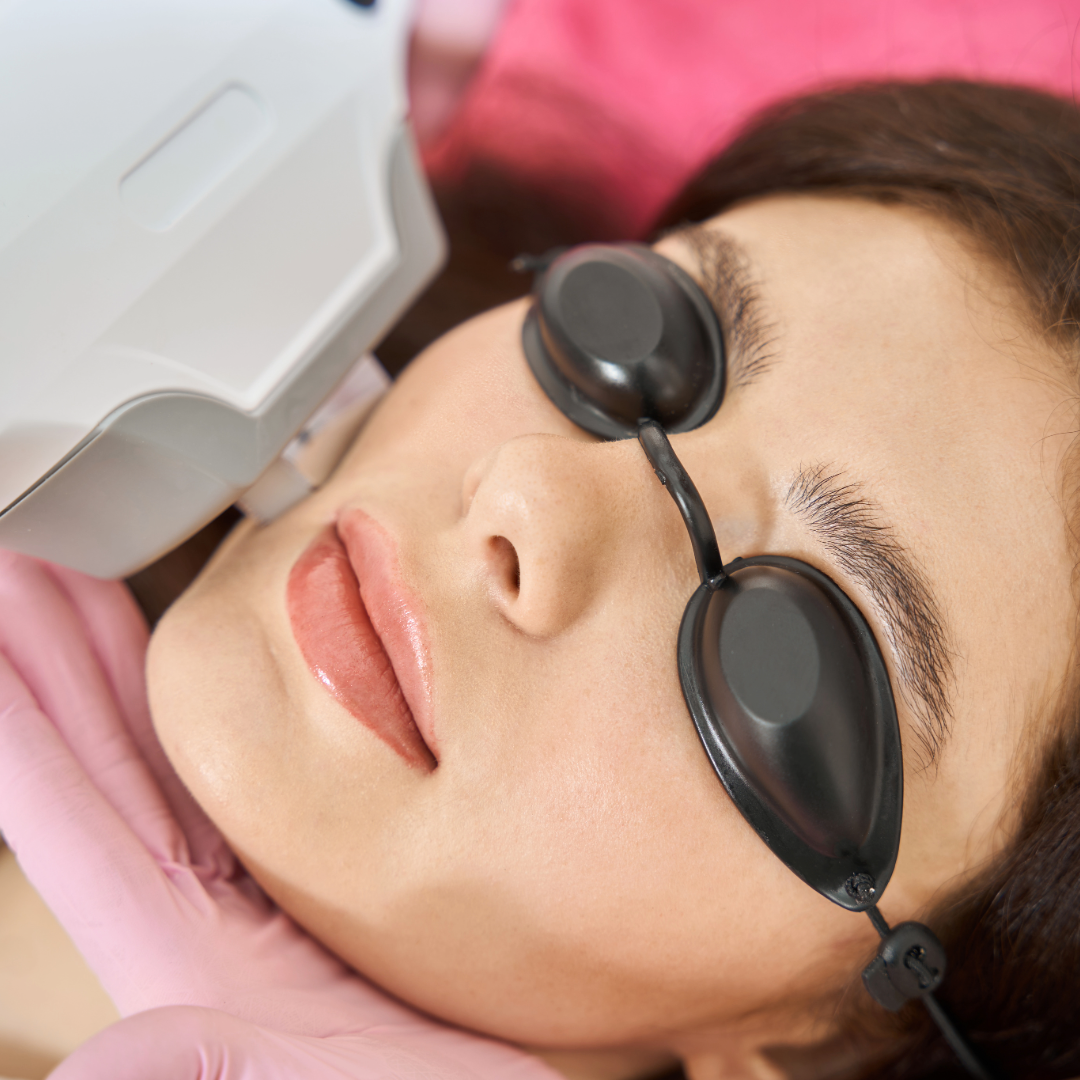
An IPL Photofacial, or Intense Pulsed Light treatment, uses controlled pulses of light to target certain pigment and vascular concerns. For an appropriately selected patient, IPL can be part of a plan for improving visible discoloration and creating a more even-looking complexion.
However, melasma requires more caution.
Melasma is a complex and frequently recurring pigment condition. Light-based treatments are not appropriate for every person with melasma, and overly aggressive treatment can potentially trigger inflammation or unwanted pigmentation. People with darker skin tones may also be more susceptible to post-inflammatory pigmentation with some energy-based procedures.
That is why Dimensions approaches postpartum pigmentation as an individual skin concern rather than automatically treating every brown spot with IPL.
For some patients, IPL may be appropriate. For others, the better starting point may be a carefully selected medical-grade skin care program, diligent sun protection, or another treatment strategy.
A customized home routine may include ingredients selected to support brighter and more even-looking skin while protecting the skin barrier. The exact products should depend on your skin type, pigmentation, sensitivity, treatment plan, and whether you are breastfeeding.
The objective is not simply to perform a procedure. It is to create a plan that makes sense for your skin.
What to Expect From Your Postpartum Skin Plan
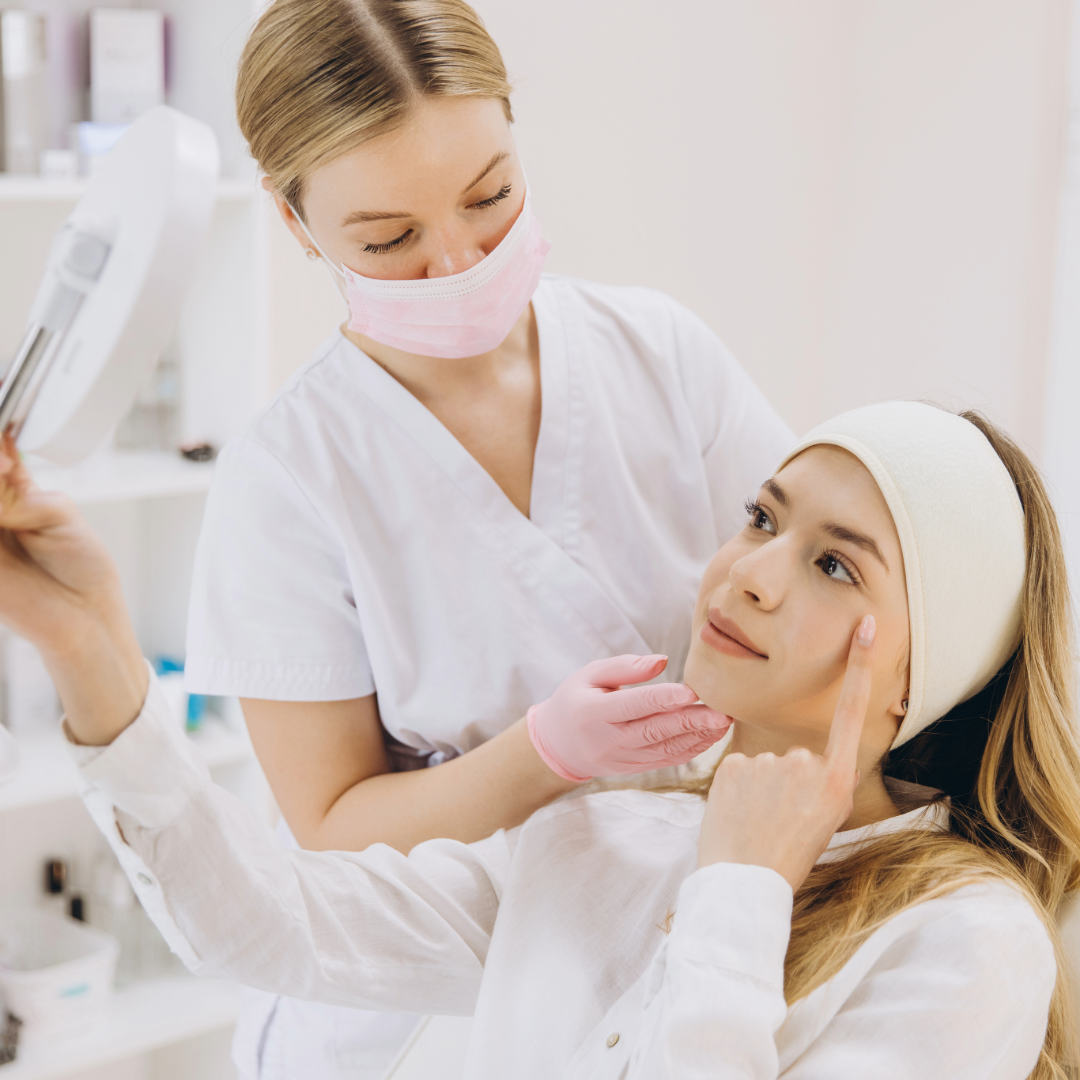
Your consultation should begin with an evaluation of your pigmentation, skin tone, skin type, current products, medical history, and postpartum status.
If IPL is appropriate, you may experience temporary warmth, redness, or mild swelling following treatment. Pigmented areas can temporarily appear darker before they gradually improve. Treatment experience and recovery vary by patient and by the settings used.
Sun protection becomes especially important before and after treatment. For patients managing melasma, daily protection is part of the treatment strategy itself. Broad-spectrum SPF 30 or higher is generally recommended, and tinted sunscreen containing iron oxides may provide additional protection from visible light that can contribute to melasma. (American Academy of Dermatology)
Medical-grade skin care can then support the longer-term plan between professional treatments.
If you are breastfeeding, tell your provider before beginning any new professional treatment or pigment-correcting product. Treatment and skin care choices should be reviewed specifically for your situation because safety information can vary during lactation. (Journal of the American Academy of Dermatology) Hydroquinone, for example, has not been adequately studied during breastfeeding. Your skin care plan should therefore be reviewed specifically for your situation rather than assuming that every familiar product is appropriate postpartum. (National Library of Medicine LactMed)
When IPL May Not Be the Right Next Step
IPL is not automatically the best treatment for every postpartum pigmentation concern.
Treatment may need to be postponed or modified if you are pregnant again, have recently tanned or had significant sun exposure, have certain medical conditions or medications that affect light sensitivity, have an active skin condition in the treatment area, or have pigmentation that requires further evaluation.
Patients with melasma should be particularly careful about assuming that stronger treatment means better results. Melasma can be persistent and can recur even after successful improvement. Conservative treatment, maintenance skin care, and consistent light protection are often important parts of managing it. (American Academy of Dermatology; Dermatologic Clinics)
Any new, changing, irregular, bleeding, or otherwise concerning pigmented lesion should also be medically evaluated rather than treated as a cosmetic brown spot.
Give Your Skin a Thoughtful Postpartum Reset
Becoming a mother changes your priorities, your schedule, and often your skin. Taking care of a concern that bothers you does not require chasing dramatic results or committing to an aggressive treatment plan.
It starts with understanding what your skin needs now.
At Dimensions MedSpa, we can evaluate your postpartum pigmentation, discuss your current skin care routine, and determine whether an IPL Photofacial, medical-grade skin care, or another personalized approach makes sense for you.
Book a consultation with Dimensions MedSpa to create a postpartum skin plan designed around your skin, your concerns, and this stage of your life.
Quick Links
All Eye
Care Services

Keep
In Touch
MAP

Contact Info
Hours
By Appointment Only
© 2026 Dimensions Eye & Aesthetics. All Rights Reserved. Accessibility Statement - Privacy Policy - Sitemap
Powered by: 