
Dry Eye vs Seasonal Allergies: How to Tell the Difference
What Does Dry Eye Feel Like?
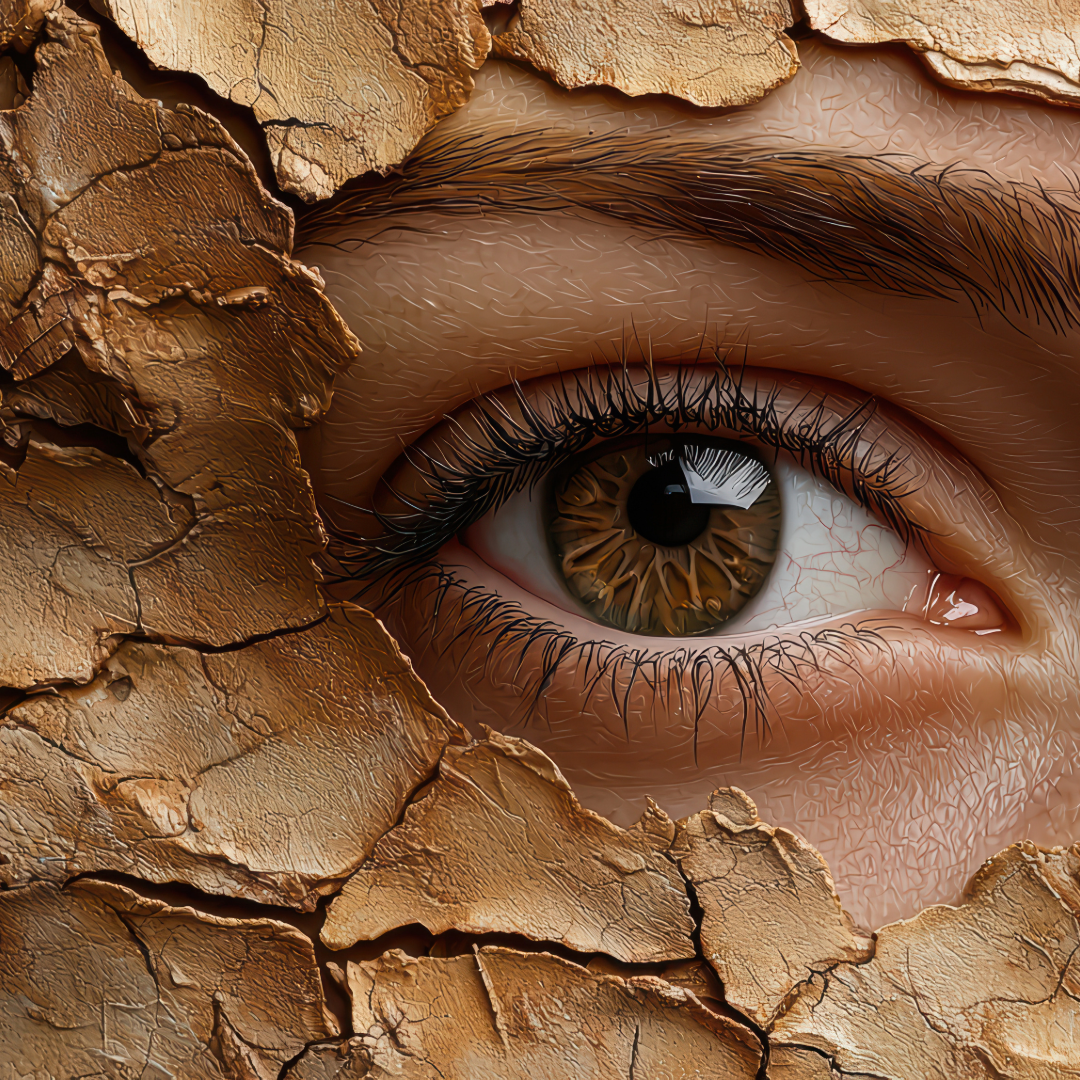
Dry eye occurs when your eyes do not produce enough tears or when the tears do not work properly. Tears need the right balance of water, oil, and mucus to stay on the surface of the eye and provide clear, comfortable vision. National Eye Institute
Common dry eye symptoms include:
• Burning or stinging
• A scratchy, sandy, or gritty feeling
• Redness
• Blurry or fluctuating vision
• Sensitivity to light
• Contact lens discomfort
• Watery or teary eyes
Dry eye symptoms may become more noticeable after extended screen use or exposure to wind, dry air, air conditioning, heating systems, or direct airflow from a fan. The National Eye Institute also identifies prolonged computer, tablet, and smartphone use as a possible contributor to dry eye symptoms. National Eye Institute
What Do Seasonal Eye Allergies Feel Like?
Seasonal eye allergies develop when the eyes react to allergens such as pollen or mold spores. This reaction can cause the conjunctiva, the clear tissue covering the white part of the eye, to become inflamed. AAAAI
Common signs of seasonal eye allergies include:
• Intense itching
• Watery eyes
• Redness
• Puffy or swollen eyelids
• Burning or irritation
• Symptoms that become worse outdoors
• Sneezing, nasal congestion, or a runny nose
Seasonal allergy symptoms often become more noticeable when pollen levels are high or after spending time around grass, trees, weeds, mold, or other known allergens. Asthma and Allergy Foundation of America
The Biggest Clue: Itching
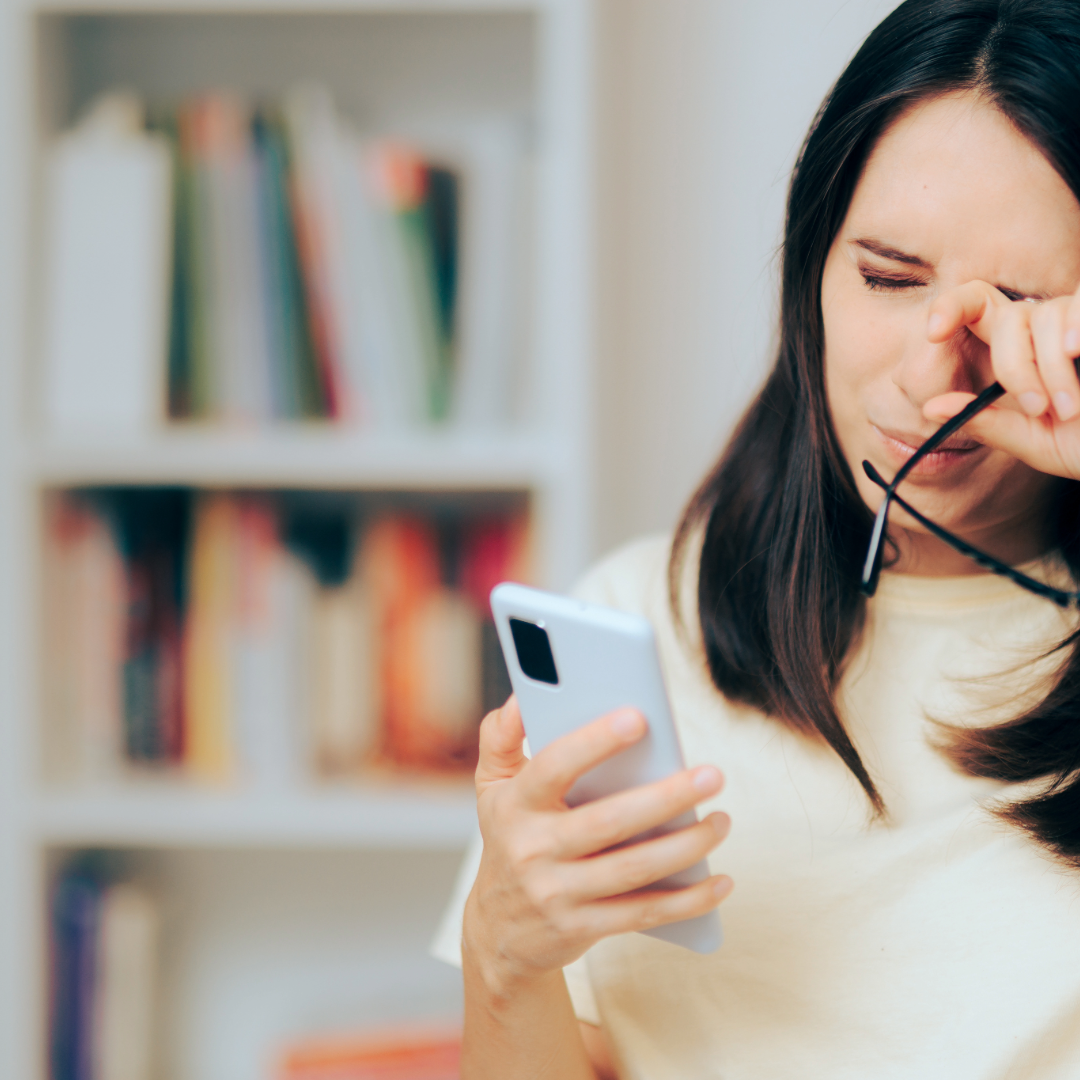
Itching is one of the strongest signs that allergies may be involved.
Dry eye can occasionally feel itchy, but allergy related itching is often more intense and may create a strong urge to rub the eyes. Rubbing can increase redness, swelling, and irritation, so it is better to avoid rubbing whenever possible.
When itching is the main symptom, especially when it appears with sneezing or a runny nose, seasonal allergies become more likely. AAO
Burning and Grittiness Point More Toward Dry Eye
Dry eye is more likely when your eyes feel as though sand, dust, or another small object is trapped under the eyelids. Persistent burning, stinging, or scratchiness also points more strongly toward a tear film problem.
Blurry or fluctuating vision can be another clue. The tear film helps create a smooth surface for light to enter the eye. When that tear film becomes unstable, vision may temporarily become less clear. National Eye Institute
Why Are My Eyes Watery if They Are Dry?
Watery eyes do not rule out dry eye.
When the surface of the eye becomes irritated, the body may respond by producing excess watery tears. These tears can run down the face without providing the stable mixture of oil, water, and mucus needed to protect the eye.
Excessive tearing can therefore occur with dry eye as well as seasonal allergies, which is one reason the two conditions are easy to confuse. MedlinePlus
Pay Attention to What Triggers Your Symptoms
Your symptom pattern can provide useful clues.
Symptoms that worsen around pollen, grass, trees, pets, or mold point more toward allergies. Symptoms accompanied by sneezing, congestion, or an itchy nose also suggest an allergic response.
Symptoms that worsen after screen use, driving, reading, air conditioning, heating, wind, or time in a dry environment point more toward dry eye.
These patterns are helpful, but they are not a diagnosis. Environmental allergens can also aggravate the eye surface, and people with seasonal allergies may experience dry eye at the same time. PubMed Central (PMC)

Can You Have Dry Eye and Seasonal Allergies at the Same Time?
Yes. Dry eye and allergic conjunctivitis frequently overlap.
Someone may begin with seasonal allergies and then develop additional dryness from inflammation, eye rubbing, environmental exposure, or certain allergy medications. The National Eye Institute notes that some medicines used for allergies can contribute to dry eye, while MedlinePlus reports that some allergy treatments may make the eyes feel dry. Do not stop or change medication without speaking with your healthcare provider. National Eye Institute
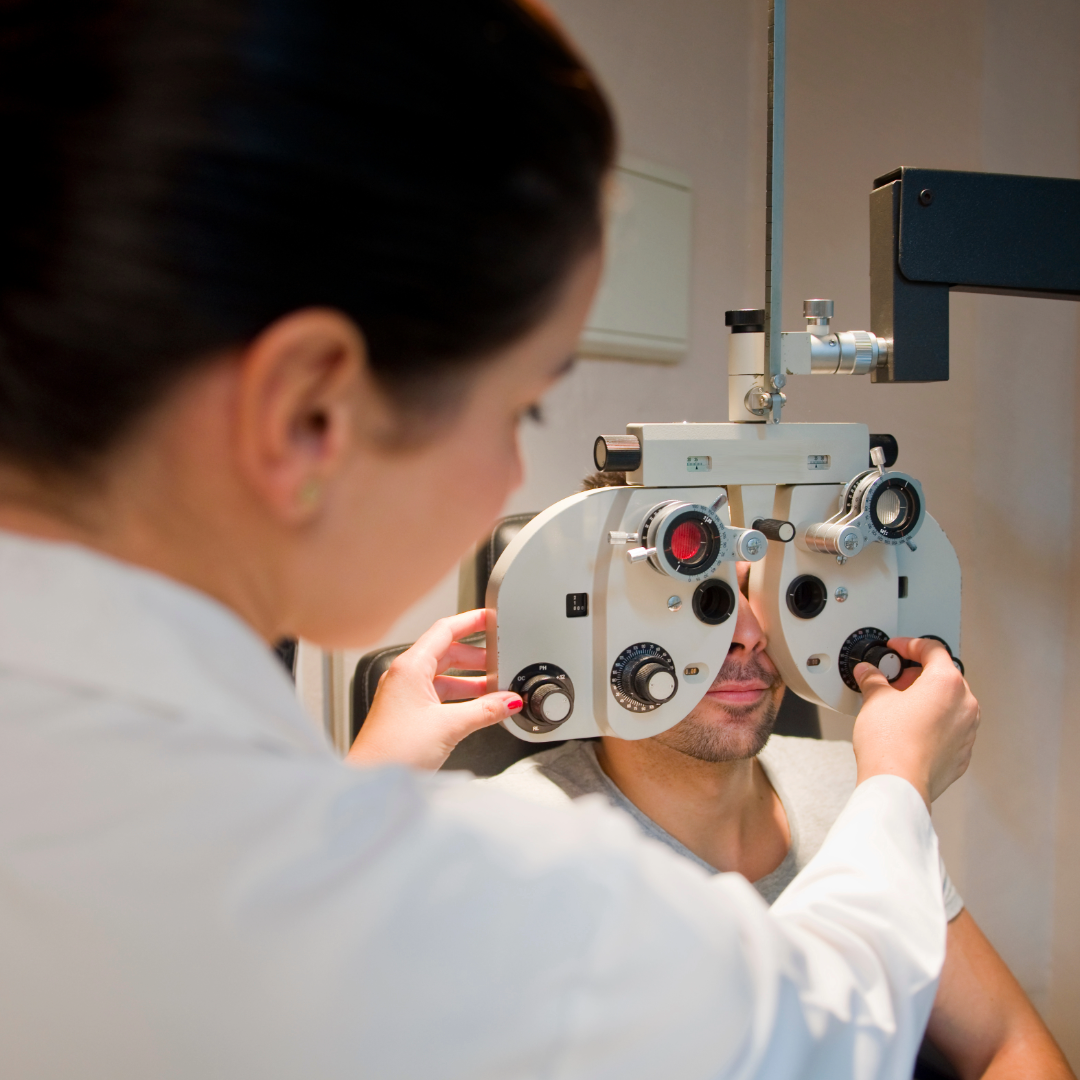
This overlap means that treating only one condition may not fully relieve the symptoms. An eye examination can evaluate the tear film, eyelids, oil glands, and eye surface to determine what may be contributing to the irritation.
When Should You Schedule an Eye Evaluation?
Consider scheduling an evaluation when:
• Symptoms continue despite basic self care
• You regularly depend on eye drops for relief
• Your contact lenses are becoming uncomfortable
• Your vision becomes blurry or fluctuates
• Symptoms keep returning
• You cannot tell whether dryness, allergies, or both are involved
Seek prompt medical attention for severe or worsening eye pain, a noticeable change in vision, or significant sensitivity to light. These symptoms can indicate a problem that should not be assumed to be dry eye or allergies. MedlinePlus
Finding the Right Dry Eye Treatment
When dry eye is confirmed, the appropriate treatment depends on the cause, severity, tear quality, eyelid health, and meibomian gland function.
Complete Eye Care serves as the clinical starting point for evaluation and treatment recommendations. When advanced treatment is appropriate, Dimensions offers options including intense pulsed light, radiofrequency treatment, LipiFlow, and combination treatment plans.
The goal is not simply to temporarily cover up symptoms. It is to identify what is affecting the eye surface and determine which care pathway makes sense for the individual patient.
Start With the Right Evaluation
Seasonal allergies and dry eye can look very similar, but the right questions can help:
Is itching your strongest symptom?
Do you also have sneezing or nasal congestion?
Do your eyes feel gritty or burn?
Does your vision fluctuate?
Are your symptoms worse around pollen or after screen use?
Tracking these patterns can help your eye care provider understand what you are experiencing. A comprehensive evaluation can then determine whether your symptoms are caused by seasonal allergies, dry eye, or a combination of both.
Quick Links
All Eye
Care Services

Keep
In Touch
MAP

Contact Info
Hours
By Appointment Only
© 2026 Dimensions Eye & Aesthetics. All Rights Reserved. Accessibility Statement - Privacy Policy - Sitemap
Powered by: 