
Autumn Air & Dry Eyes: Is the Season Drying You Out?
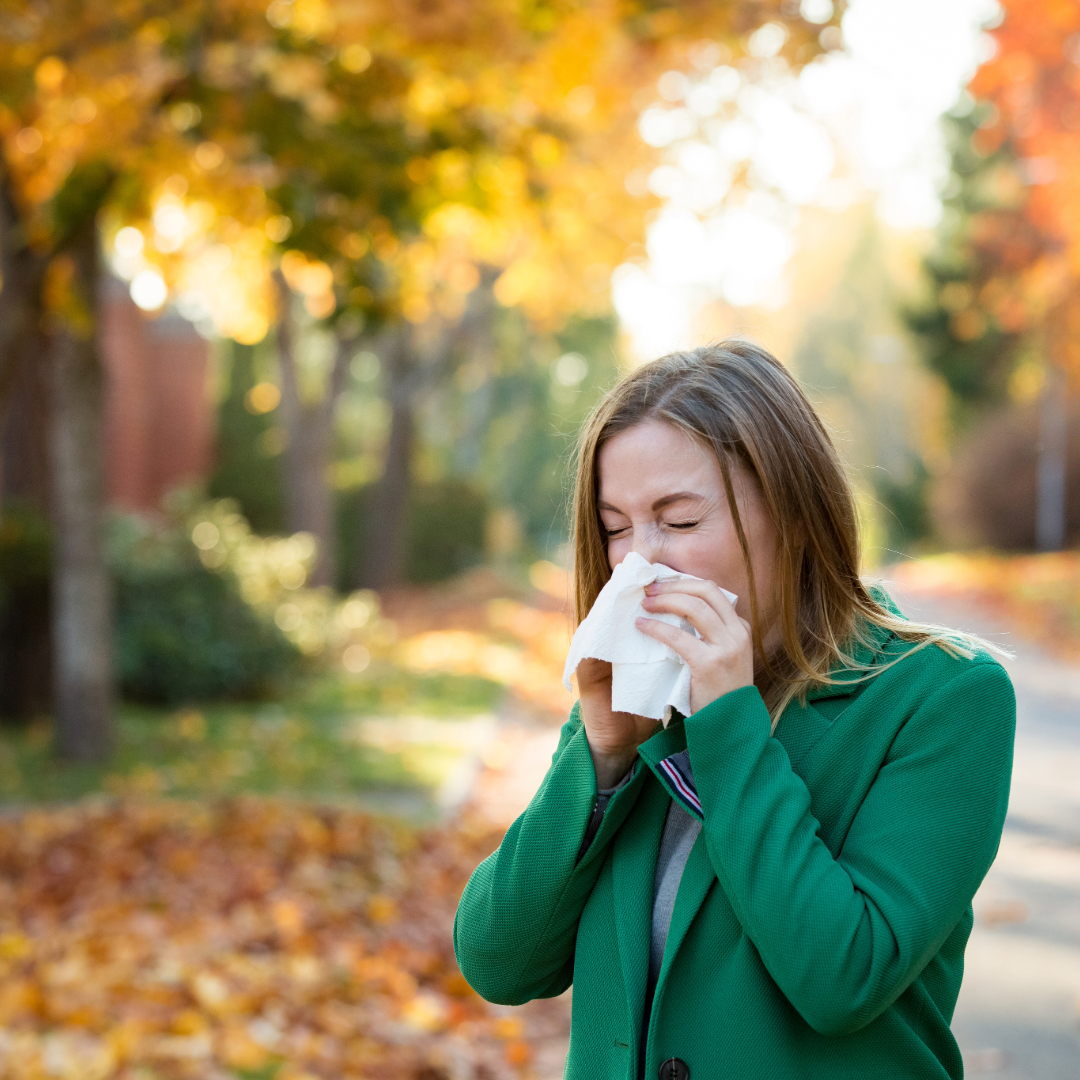
Why Can Dry Eye Feel Worse in the Fall?
Fall brings cooler temperatures, changing weather, more wind, and the return of indoor heating. For people already prone to dry eye, those environmental changes can make symptoms more noticeable.
Colorado adds another challenge. The Colorado Climate Center describes the state's climate as generally dry with relatively low humidity. Atmospheric moisture also tends to decrease during the colder months. Colorado Climate Center
Common seasonal complaints can include:
- Burning or stinging
- A gritty or sandy sensation
- Red or irritated eyes
- Excessive watering
- Fluctuating or blurry vision
- Contact lens discomfort
- Eyes that feel tired late in the day
The connection is not simply that cooler weather causes dry eye. Humidity, airflow, indoor heating, screen habits, and the health of your tear film can all influence how your eyes respond to the seasonal transition.
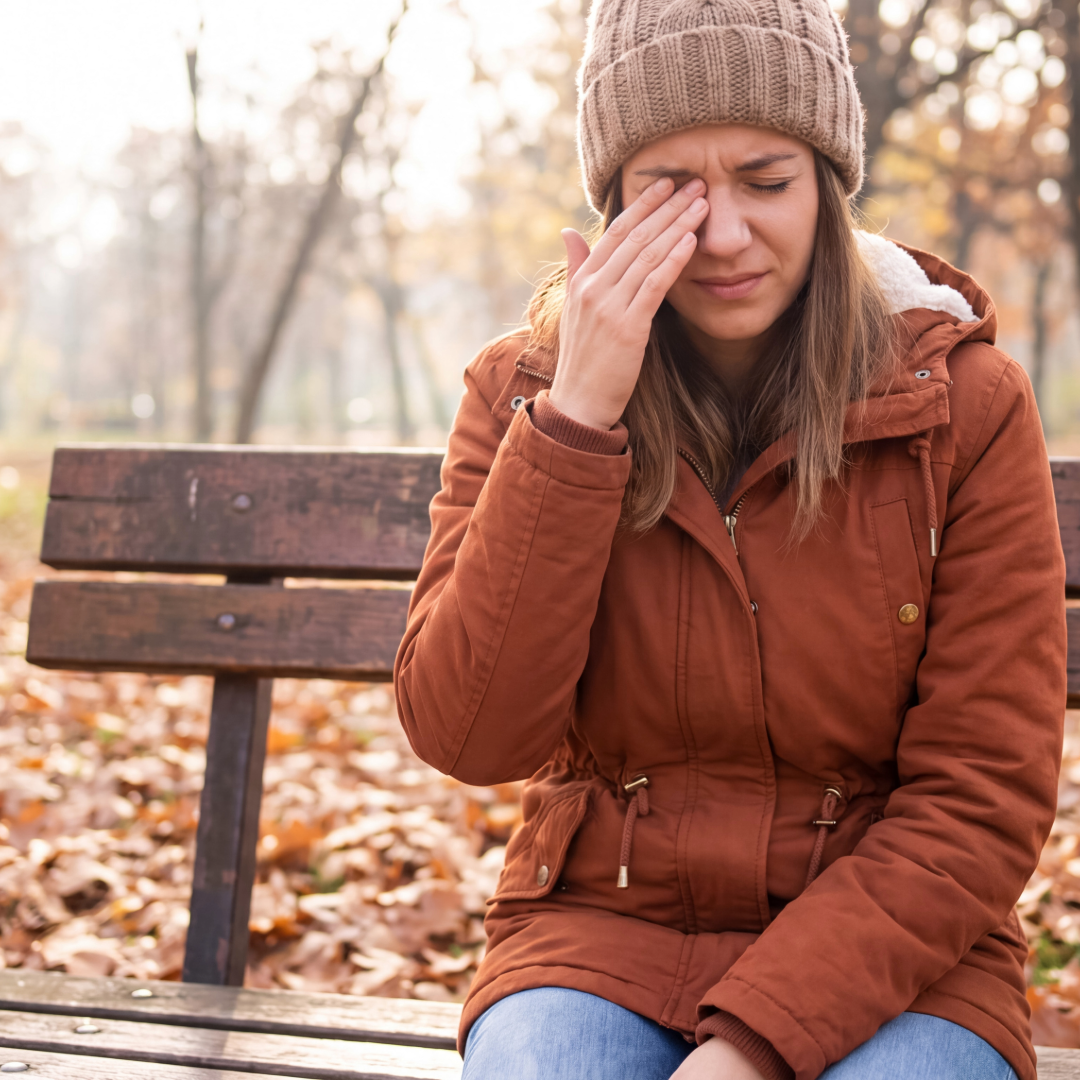
What Dry Air Does to Your Tear Film
Every time you blink, a thin tear film spreads across the surface of your eyes. That tear film helps keep the eye comfortable, smooth, and protected.
One important part of the tear film is its oily outer layer. This oil is produced by tiny meibomian glands located within the eyelids and helps slow tear evaporation.
When the surrounding air becomes very dry, moisture can evaporate from the tear film more quickly.
Controlled environmental research has found that exposure to low relative humidity can increase tear evaporation and reduce tear film stability and eye comfort. Other research has found that people with dry eye can experience greater tear evaporation than people without dry eye when exposed to low humidity. PubMed
Wind can create an additional challenge by moving dry air across the surface of the eye. Once furnaces and indoor heating systems turn on, the environment inside your home or workplace may also become drier.
For someone whose tear film is already unstable, those changes can be enough to make existing symptoms much more noticeable.

Small Changes That May Help Protect Your Eyes This Fall
You cannot control Colorado's weather, but you can reduce some of the environmental stress placed on your eyes.
The National Eye Institute recommends several practical strategies for people with dry eye, including using a humidifier when indoor air becomes dry, avoiding direct exposure to wind and air conditioning, taking regular breaks from screens, and wearing wraparound sunglasses outside. National Eye Institute
During the fall, consider:
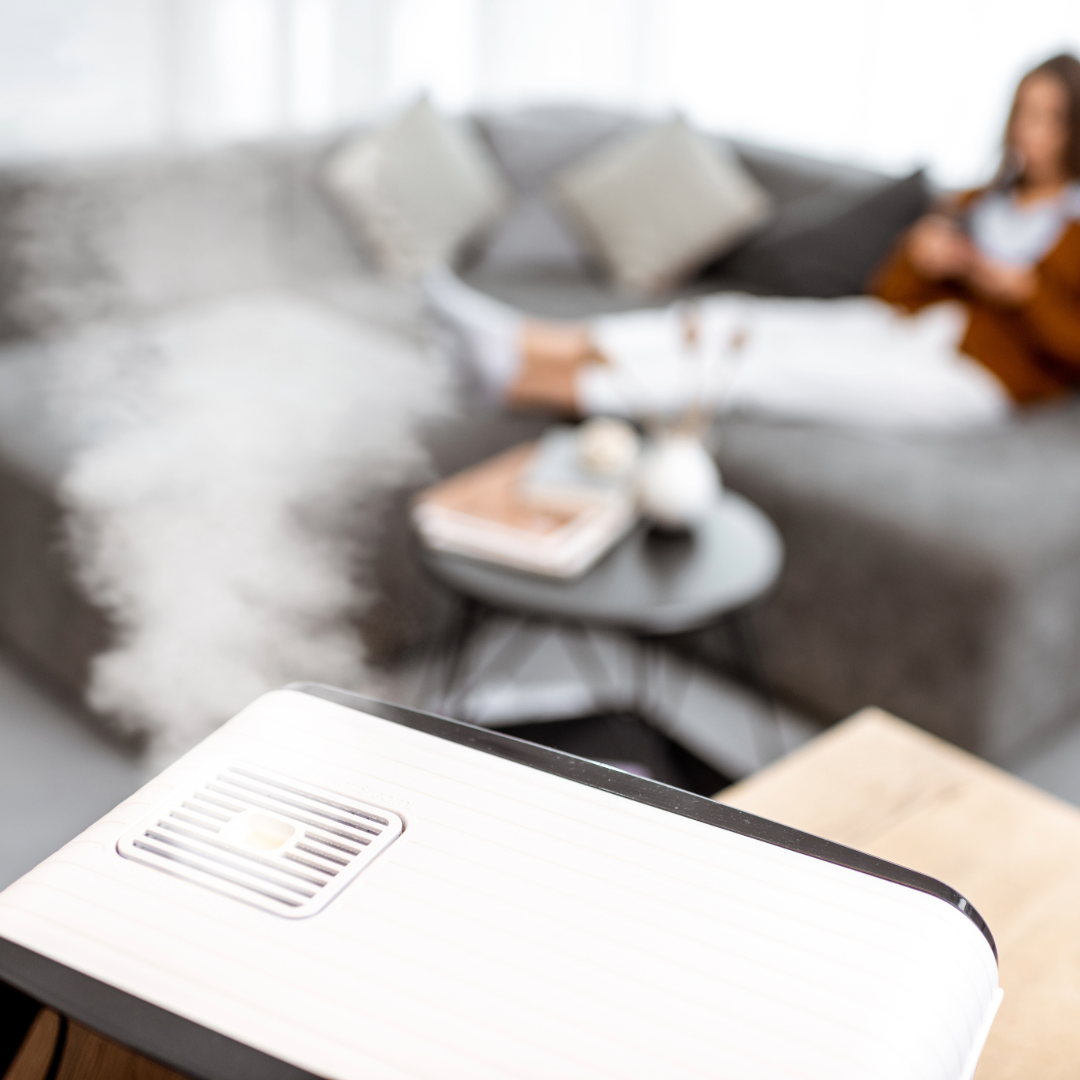
- Running a humidifier in rooms where you spend significant time
- Keeping car vents, fans, and heaters from blowing directly toward your eyes
- Taking regular screen breaks and remembering to blink fully
- Wearing sunglasses outdoors on windy days
- Following the eye care routine recommended by your provider
Lubricating eye drops may provide temporary comfort for some people, but persistent symptoms can have several underlying causes. If symptoms continue returning despite environmental changes, it may be time to address what is happening with the tear film itself.
When Seasonal Dry Eye Needs More Than At-Home Relief
Not every case of dry eye is caused by the environment.
For many patients, meibomian gland dysfunction contributes to evaporative dry eye. When these glands do not release enough healthy oil, tears can evaporate too quickly. A dry environment can then make an existing tear film problem more noticeable.
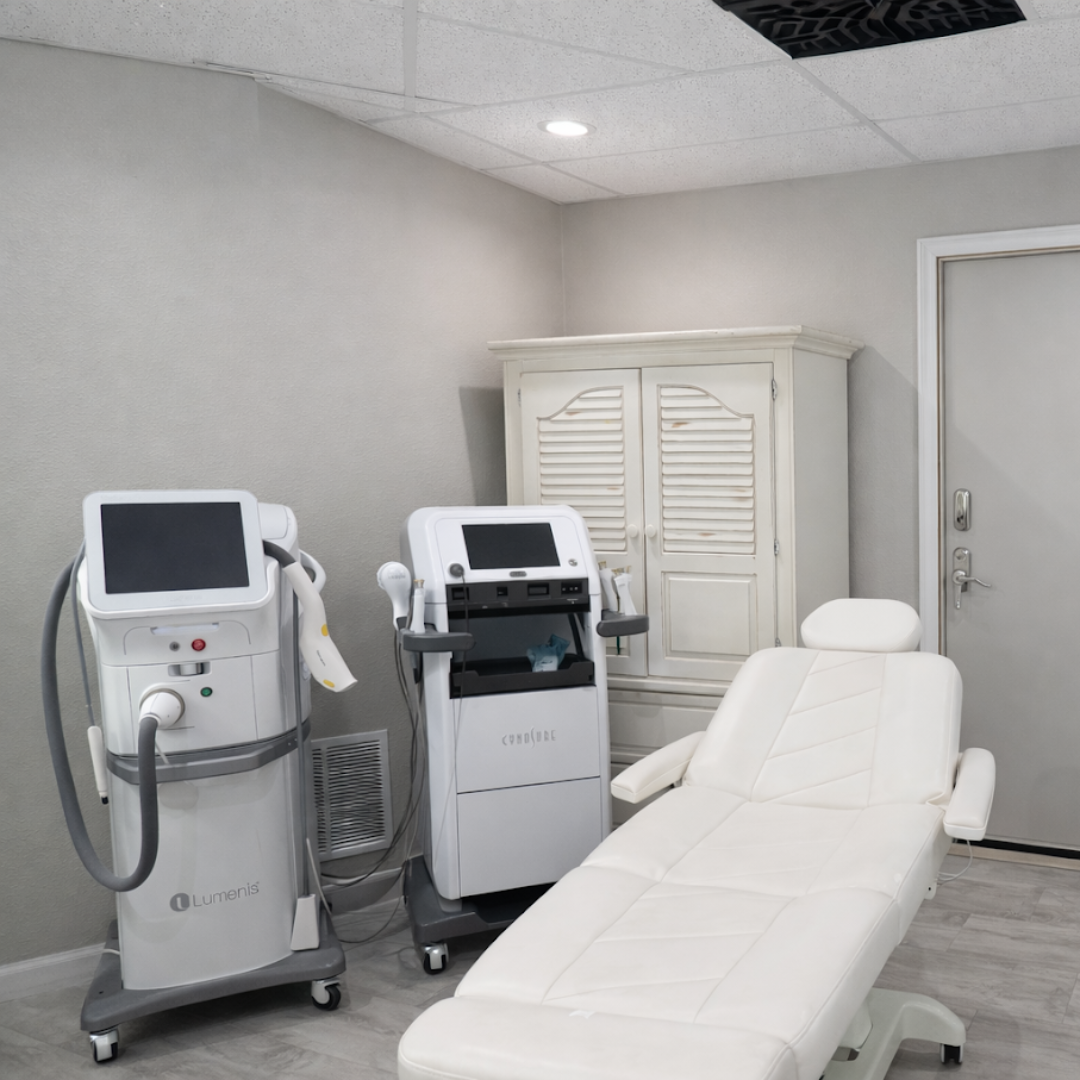
At Dimensions, dry eye treatment can be personalized based on what is contributing to your symptoms.
LipiFlow
LipiFlow is a thermal pulsation treatment designed for meibomian gland dysfunction. It applies controlled warmth and gentle pressure to the eyelids to help improve the flow of oil from the meibomian glands.
Clinical trials have found improvements in meibomian gland function following LipiFlow treatment, although individual response and duration of improvement vary. PubMed
Learn More
Radiofrequency Dry Eye Treatment
Radiofrequency treatment uses controlled thermal energy around the eyelid area as part of treatment for selected patients with meibomian gland-related dry eye.
Research into radiofrequency for dry eye continues to develop. A 2026 study examining patients with meibomian gland dysfunction-related dry eye reported improvement in several clinical measures following radiofrequency, IPL, and combination treatment. Because patient needs differ, treatment selection should be based on the underlying cause and severity of symptoms. PubMed
The goal is not simply to temporarily make the eyes feel wetter. It is to identify what is contributing to tear film instability and choose treatment accordingly.
Learn More
Do Not Assume You Just Have to Live With Seasonal Dry Eye
Occasional dryness after a windy day is one thing. Burning, watering, redness, fluctuating vision, or repeated irritation throughout the season may signal that your tear film needs more support.
Colorado's dry climate can expose weaknesses in an already unstable tear film. Autumn can therefore be a useful time to address symptoms before colder weather and indoor heating become an even bigger part of your daily environment.
Your treatment plan may include environmental changes, at-home eye care, or treatments such as LipiFlow or radiofrequency depending on what is contributing to your symptoms.
Are Your Eyes Already Feeling the Change in Seasons?
If autumn air is bringing back burning, irritation, watering, or uncomfortable dry eye symptoms, you do not have to wait for winter to see if they get worse.
Book your dry eye treatment at Dimensions for relief this season.
Quick Links

All Eye
Care Services

Keep
In Touch
MAP

Contact Info
Hours
By Appointment Only
© 2026 Dimensions Eye & Aesthetics. All Rights Reserved. Accessibility Statement - Privacy Policy - Sitemap
Powered by: 