
Medical Grade Skincare Products vs. Drugstore Skincare: What Is the Difference?
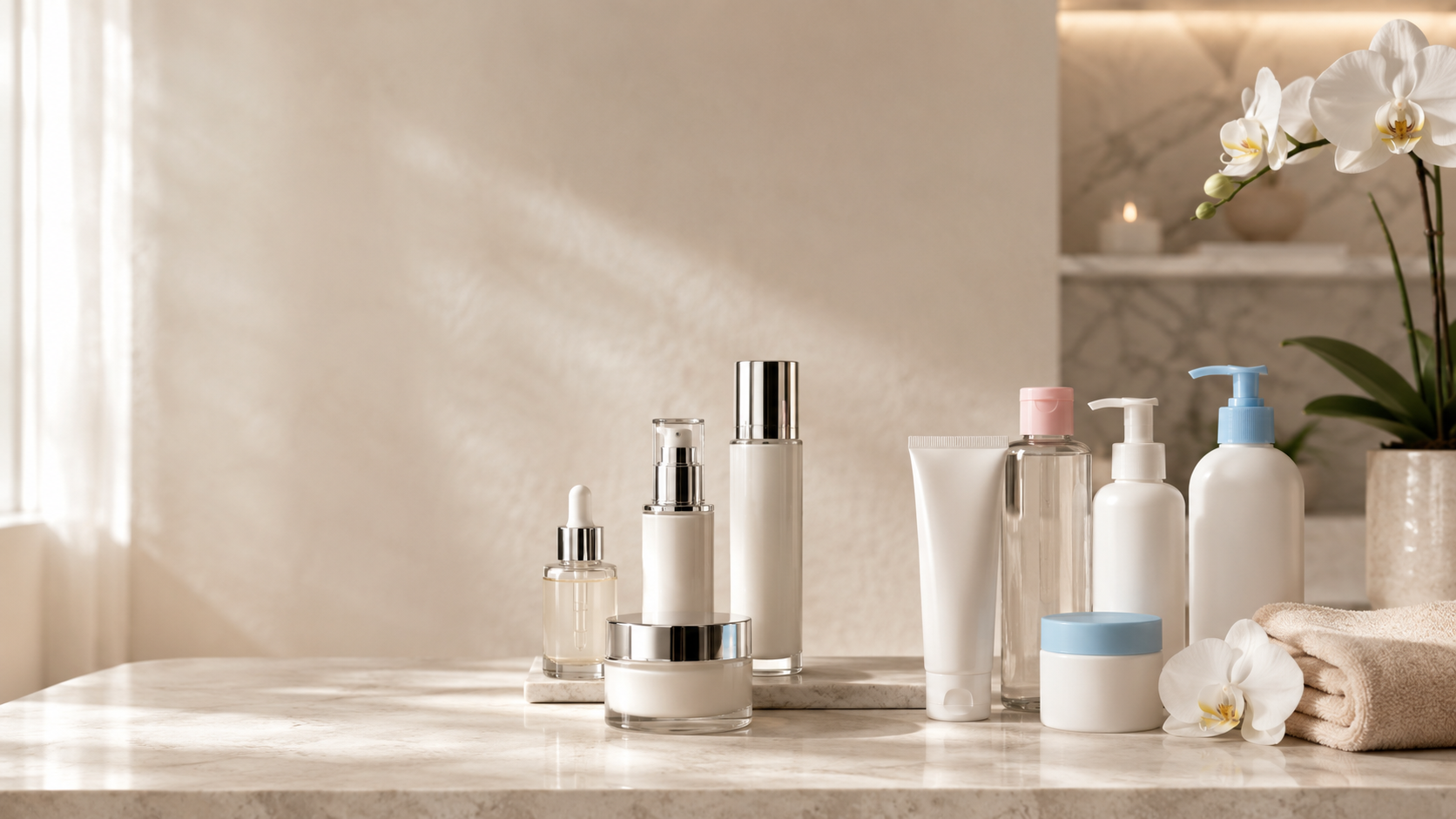
Not all skincare needs to be complicated
Walking down the skincare aisle can feel overwhelming. There are cleansers, serums, creams, masks, exfoliants, retinols, brightening products, and moisturizers all promising smoother, brighter, healthier-looking skin.
Then you visit a medspa or medical aesthetics office and hear about medical-grade skincare. So what is the real difference?
The short answer: drugstore skincare can be helpful for basic daily care, while medical-grade skincare is often selected for more targeted goals and guided by a provider. The best choice depends on your skin type, concerns, budget, treatment plan, and how your skin responds.
At Dimensions Eye & Aesthetics, we believe skincare should feel personalized, not confusing.
What is drugstore skincare?
Drugstore skincare includes products you can buy at places like grocery stores, pharmacies, beauty retailers, and online shops without a provider recommendation.
These products are often designed for broad use. They may focus on basic skin needs such as cleansing, moisturizing, sun protection, gentle exfoliation, or supporting the skin barrier.
Drugstore products can be a good fit for:
People who are new to skincare
Basic cleansing and moisturizing
Daily sunscreen
Sensitive skin that needs a simple routine
Maintenance between professional treatments
Budget friendly skincare basics
A drugstore product is not automatically bad. In fact, many people do well with a simple routine that includes a gentle cleanser, moisturizer, and broad spectrum sunscreen.
The challenge is that drugstore products are not always tailored to your skin concerns. It can take a lot of trial and error to find what works.
What is medical-grade skincare?
Medical-grade skincare is usually sold through medical offices, medspas, dermatology practices, or licensed professionals. These products are often selected to support more specific skin goals such as texture, tone, dryness, visible aging, pigmentation, dullness, or post-treatment care.
Medical-grade skincare is commonly used as part of a larger skin plan. For example, your provider may recommend specific products before or after a chemical peel, facial, IPL, microneedling, or collagen-support treatment.
Medical grade skincare may be a good fit for:
More targeted skin concerns
Prepping the skin before a treatment
Supporting recovery after a treatment
Reducing routine confusion
Creating a provider-guided plan
Improving consistency with active ingredients
The goal is not to use more products. The goal is to use the right products in the right order for your skin.
The biggest difference is guidance
One of the biggest benefits of medical-grade skincare is not just the product. It is the guidance that comes with it.
When you buy products on your own, you may end up mixing too many active ingredients, over-exfoliating, using products that conflict with your treatment plan, or choosing formulas that are not ideal for your skin type.
With provider-guided skincare, the plan can be adjusted based on your skin, your goals, your sensitivity level, and any treatments you are receiving.
That matters because being more aggressive is not always better. Skin that is irritated, dry, or inflamed often needs support and balance before adding stronger products.
Drugstore skincare can be great for the basics
Drugstore skincare often works well for foundational care.
A simple daily routine may include:
Gentle cleanser
Moisturizer
Broad-spectrum sunscreen
Basic hydrating serum
Barrier supporting cream
For many people, this is enough to keep the skin comfortable and protected. If your skin is generally healthy and you do not have specific concerns, drugstore skincare may work well.
Drugstore skincare can fall short when you are trying to address more specific goals like stubborn dark spots, visible texture, fine lines, acne-prone skin, post-treatment healing, or ongoing dryness in Colorado’s climate.
Medical-grade skincare can support treatment results
Professional treatments and home skincare should work together.
For example, if you are investing in facials, chemical peels, IPL, microneedling, or collagen-support treatments, your home routine can help maintain skin between visits. The right products may help protect your results, reduce the risk of irritation, and keep your skin barrier in better condition.
This is especially important in Colorado, where dry air, sun exposure, and altitude can make the skin feel dehydrated, dull, or more sensitive.
A treatment can help refresh the skin, but daily care helps maintain progress.
When should you consider upgrading your skincare?
You may want to consider a medical grade skincare if:
Your skin feels dull even with a routine
You are dealing with uneven tone or texture
You are preparing for a peel or skin treatment
You are using many products but seeing little change
Your skin feels dry, tight, or irritated often
You are unsure which products should be used together
You want a simpler plan that supports your goals
A good skincare plan should make your routine easier, not harder.
What to avoid when choosing skincare
Whether you choose drugstore products, medical-grade products, or a mix of both, avoid building a routine based only on trends.
Common skincare mistakes include:
Using too many active ingredients at once
Over exfoliating
Skipping sunscreen
Mixing products that increase irritation
Changing routines too often
Using products that do not match your skin type
Buying products because they are popular online
Your skin does not need every trending ingredient. It needs consistency, protection, hydration, and appropriate treatment support.
Can you use both medical-grade and drugstore skincare?
Yes. In many cases, the best routine includes both.
You may use a drugstore cleanser and sunscreen, while using a provider-recommended serum, moisturizer, retinoid alternative, pigment support product, or post-treatment kit.
The goal is not to replace everything. The goal is to build a routine that makes sense.
A balanced approach may include:
Drugstore basics for daily support
Medical-grade products for targeted concerns
Professional treatments when your skin needs more help
Provider guidance to avoid irritation or product overlap
This keeps the routine practical and easier to maintain.
What we recommend at Dimensions
At Dimensions Eye & Aesthetics, skincare recommendations are based on your skin goals, current routine, upcoming treatments, and sensitivity level.
We may recommend medical-grade skincare when it helps support a treatment plan or gives your skin more targeted support. We may also keep parts of your current routine if they are working well.
Our approach is simple: fewer random products, more intentional care.
Ready to build a better skincare routine?
Whether you are new to skincare or ready to upgrade your current routine, a consultation can help you understand what your skin actually needs.
Schedule a skincare consultation at Dimensions Eye & Aesthetics to develop a personalized plan tailored to your skin type, goals, and treatment options.
Individual results vary. Product recommendations are based on skin type, goals, provider evaluation, and treatment plan.
Quick Links

All Eye
Care Services

Keep
In Touch
MAP

Contact Info
Hours
By Appointment Only
© 2026 Dimensions Eye & Aesthetics. All Rights Reserved. Accessibility Statement - Privacy Policy - Sitemap
Powered by: 